Vindication ... for everything we here, and on Ishtar's Gate, have ever said on this matter.
Tools point to early Cretan arrivals
There's more of the article hereEvidence for the world’s earliest seafaring has emerged from an archaeological survey in Crete. Tools of Lower Palaeolithic type, at least 130,000 years old, have been found on the Greek island, which has been isolated by the Mediterranean Sea for at least the past five million years, so that any human ancestors must have arrived by boat. At this date, they would have been of a pre-modern species: the earliest Neanderthalers or even Homo heidelbergensis, the species to which Boxgrove Man belonged, are among possible contenders, but no such remains have so far been found on Crete.
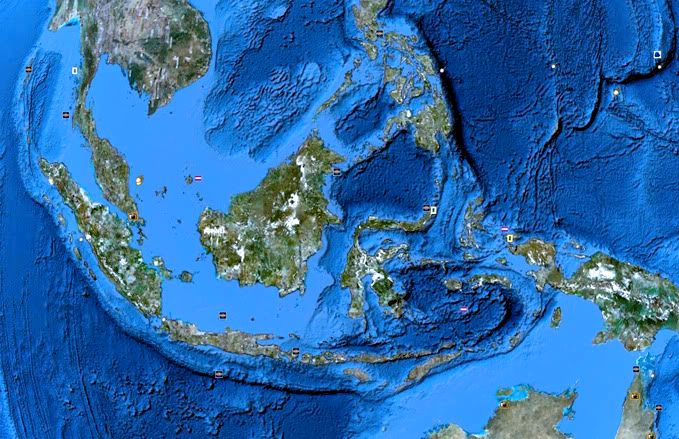
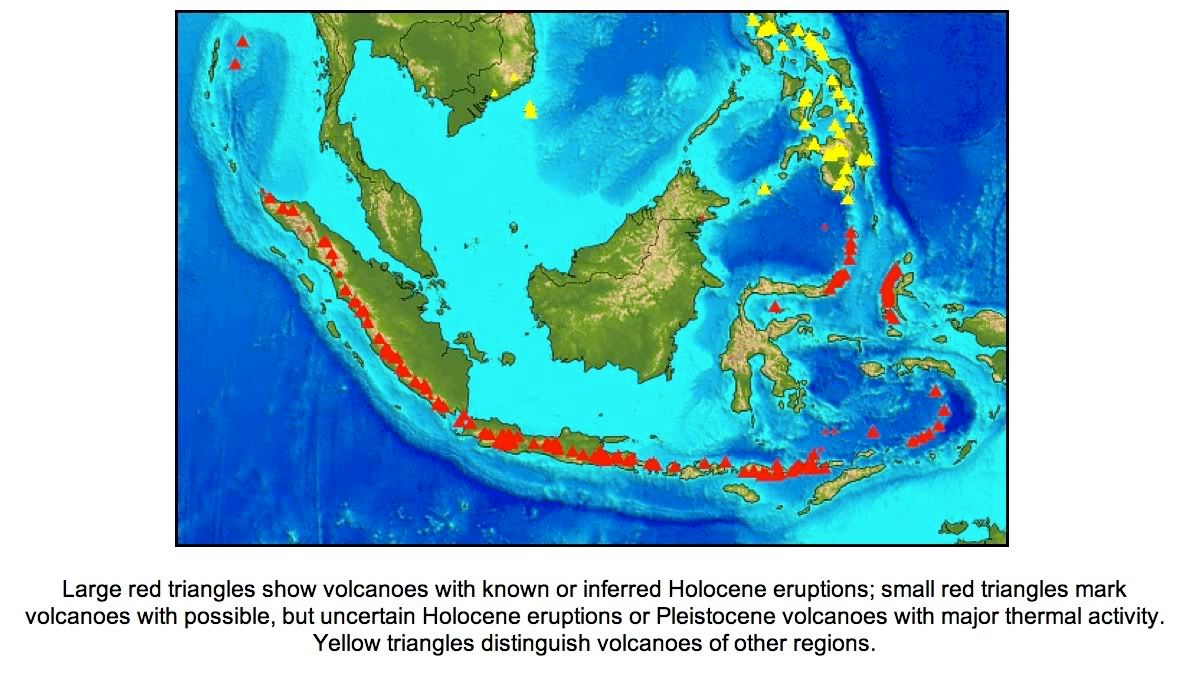
“The early inhabitants of Crete reached the island using sea craft capable of open-sea navigation and multiple journeys — a finding that pushes the history of seafaring in the Mediterranean back by more than 100,000 years and has implications for the dispersal of early humans,” Professor Curtis Runnels said. The oldest uncontested marine crossing until recently was from Indonesia to Australia, dating to perhaps 60,000 years ago and made by anatomically modern humans of our own species, Homo sapiens, although we now know that earlier settlement on the island of Flores in Indonesia also necessitated a sea-crossing.
Professor Runnels, the Palaeolithic expert in the survey team, said that the investigation was carried out along the southwestern coast of Crete near the town of Plakias, facing Libya more than 200 miles to the south. These first Cretans may have crossed the Libyan Sea rather than island-hopping through the Cyclades from mainland Greece. Recent finds of what are claimed to be Palaeolithic tools from the island of Gavdos, off the south coast of Crete, would support this southern approach.
The survey has focused on the area from Plakias to Ayios Pavlos, including the Preveli Gorge, and has recovered more than 2,000 stone artefacts from 28 sites; the early tools were found at nine of these, eight in the area between Plakias and Preveli. “The existence of Lower Palaeolithic artefacts in association with datable geological contexts was a complete surprise: until now there has been no certain evidence of Lower Palaeolithic seafaring in the Mediterranean,” Professor Runnels said.
As Cogs just said, suddenly Valsequillo doesn't seem so beyond the fringe anymore.
We're discussing it on Ishtar's Gate here
I also have the two papers this story was based on:
Kopaka, K. & C. Matzanas.Palaeolithic industries from the island of Gavdos.2009
Mortensen, P. Lower to Middle Palaeolithic artefacts from Loutro on the south coast of Crete. 2008
So please PM me if you want me to email them to you.